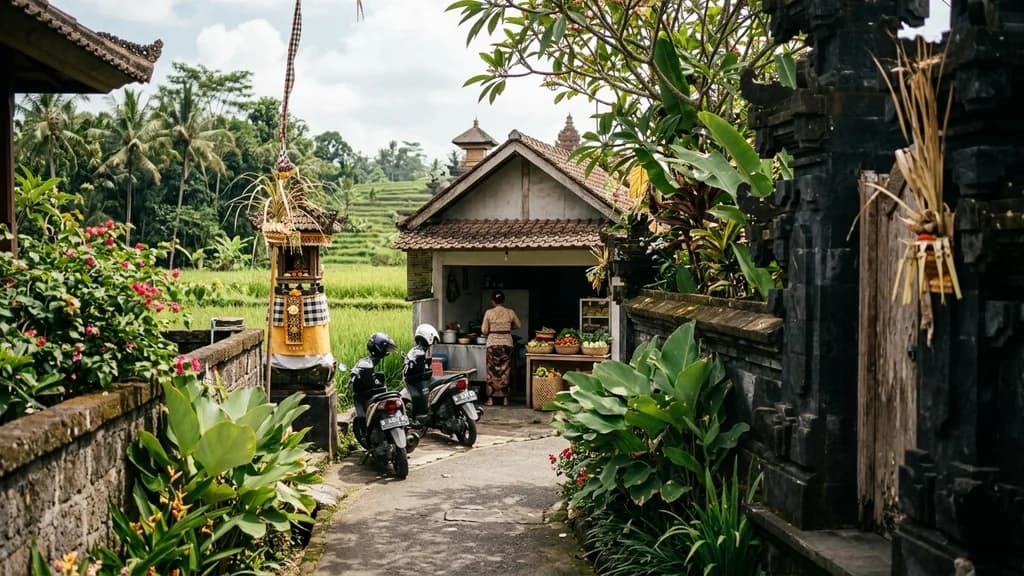
Goa vs Kerala for Tourists: Honest 2026 Comparison
Picking between Goa and Kerala is the single most common dilemma for first-time tourists heading to India. Both sit on the west coast, both have palm trees, both serve incredible seafood, and both show up on every travel list. But they are genuinely different trips, and choosing wrong can mean a week of wishing you had picked the other.
This is an honest 2026 comparison across 10 travel dimensions, with real rupee prices, flight logistics, cultural trade-offs, and a straightforward decision matrix at the end. No sales pitch, no "both are amazing" fence-sitting.
TL;DR: Goa vs Kerala at a Glance
| Dimension | Goa | Kerala |
|---|---|---|
| Best for | Beaches, nightlife, first-timers | Nature, wellness, families |
| Vibe | Western-lenient, party-friendly | Traditional, spiritual, slow |
| Signature experience | Beach shacks + sunset parties | Houseboat on the backwaters |
| Scenery | Coconut coast, red-laterite cliffs | Emerald backwaters + hill stations |
| Flight access (from EU/US) | Easy - direct winter charters to GOI | Harder - Mumbai or Delhi connection to COK |
| Typical trip length | 5 to 7 days | 7 to 10 days |
| Daily budget (mid-range) | ₹4,500 ($54) | ₹4,000 ($48) |
| Alcohol/dress code | Relaxed, bikini OK | Conservative, covered on beach |
| Weather window | Nov to Mar (dry) | Oct to Mar (best), year-round viable |
| Family-friendly | Medium (South Goa only) | High |
The short version: if you want a beach holiday with easy logistics, nightlife, and Portuguese-colonial charm, fly to Goa. If you want backwaters, greenery, Ayurveda, and a quieter cultural experience, fly to Kerala. If you have two weeks, do both.
What Each Destination Actually Is
Goa in 60 Seconds
Goa is India's smallest state - a former Portuguese colony that remained European until 1961. That legacy shapes everything: Catholic churches next to Hindu temples, vindaloo and chouriço on menus, whitewashed villas, and a tourism culture built around alcohol, beach life, and laid-back hospitality. It has been a Western tourist magnet since the 1960s hippie trail, and that DNA still shows.
Two broad zones:
- North Goa (Baga, Calangute, Anjuna, Vagator, Morjim): busier, party-focused, flea markets, nightclubs, sunset raves.
- South Goa (Colva, Palolem, Agonda, Patnem): quieter, resort-driven, yoga, families, honeymoons.
Kerala in 60 Seconds
Kerala calls itself "God's Own Country," and unlike most tourism slogans, this one earns it. It's a long, narrow state sandwiched between the Arabian Sea and the Western Ghats, crisscrossed by 900+ km of interconnected lagoons known as the backwaters. Kerala has India's highest literacy rate, a strong matrilineal tradition, and one of the country's most mature wellness-tourism industries around Ayurveda.
Core regions for tourists:
- Alleppey and Kumarakom: backwater houseboats, rice-paddy villages.
- Kochi (Fort Kochi): colonial old town, Chinese fishing nets, spice markets.
- Munnar: tea plantations, cool hill-station air, 1,600 m altitude.
- Varkala and Kovalam: cliff-top and palm-fringed beaches.
- Periyar (Thekkady): wildlife sanctuary with elephants and bison.
Beaches Head-to-Head
This is the dimension where the gap is widest.
Goa wins on beaches, and it's not close. Goa has roughly 105 km of coastline with dozens of named beaches, most with wide, gently sloping sand, calm swimming conditions from November to March, and beach shacks serving cold Kingfisher and prawn curry right on the sand. You can rent a sunbed for ₹200 ($2.40), order food for hours, and nobody minds. Bikinis are completely normal on the beach.
Kerala's beaches are scenic but functionally different. Varkala has dramatic red cliffs with cafes stacked along the edge - it's beautiful, photogenic, and has a mellow scene, but the beach itself is narrow and strong undertows make swimming iffy for weaker swimmers. Kovalam is a crescent of palms and lighthouses, nice but smaller and more conservative. Locals and Indian tourists generally swim fully clothed; Western bikinis are tolerated but feel out of place.
| Beach metric | Goa | Kerala |
|---|---|---|
| Length of coastline | ~105 km | ~595 km |
| Number of tourist-grade beaches | 30+ | 5 to 6 |
| Best for swimming | Yes (calm Nov to Mar) | Mixed (undertows common) |
| Beach shacks / sunbeds | Everywhere | Rare |
| Dress code tolerance | Very relaxed | Conservative |
| Water sports | Plentiful | Limited |
If the beach itself is the main event, pick Goa.
The Kerala Houseboat: The Unique Selling Point
If beaches are Goa's trump card, backwater houseboats are Kerala's. Nothing in Goa - or arguably anywhere else in India - matches the experience of sleeping on a converted kettuvallam rice barge, drifting past water lilies at sunrise, eating freshly caught karimeen fish cooked on board.
What to expect:
- Houseboats leave from Alleppey (Alappuzha) or Kumarakom.
- Typical booking: 1 night (22 hours) or 2 nights for deeper routes.
- Pricing: budget ₹8,000 ($96), mid-range ₹15,000 to 20,000 ($180 to $240), luxury ₹30,000+ ($360+) per boat per night, inclusive of meals and crew.
- You get a private boat with 1 to 4 bedrooms, a cook, and a captain.
Pre-book through Booking.com or a reputable Alleppey operator. Walk-up bookings on the day are possible but heavily marked up.
This experience alone pulls many travellers to Kerala.
The Goa Nightlife Unique Selling Point
Goa's equivalent trump card is nightlife and party culture, which is genuinely unmatched on the subcontinent. North Goa runs a full party economy: Tito's Lane in Baga, Club Cubana on the hill, Anjuna flea markets on Wednesdays, and sunset trance parties at Arambol and Vagator. Winter (December to February) brings international DJs, beach raves, and a crowd that mixes Russian expats, Israeli backpackers, and Mumbai weekenders.
Kerala, by contrast, has strict alcohol regulations - bars close early, dry days happen monthly, and there's no meaningful club scene outside resort hotels. For a party trip, Kerala is the wrong answer.
Cultural Differences: Lenient vs Traditional
This is the dimension most honest articles skip, and it matters.
Goa operates on a Western-tolerant tourism model. You can drink on the beach, wear a bikini, kiss your partner in public, order pork or beef without surprise, and nobody blinks. It's not that Goa isn't Indian - it very much is - but the tourism zones have been Westernised for 60 years.
Kerala is more traditional and conservative. It's not strict like Tamil Nadu or interior Rajasthan, but:
- Cover shoulders and knees when visiting temples, churches, and most restaurants.
- Alcohol is available but regulated; dry days exist.
- Public displays of affection are frowned upon.
- On beaches outside resort zones, locals swim in full clothes.
Neither is "right" - but travellers who want full freedom on holiday usually prefer Goa, while travellers who want cultural immersion prefer Kerala.
Food Comparison
Both states have phenomenal food, but the cuisines pull in different directions.
Goan food carries a deep Portuguese accent. Vindaloo (hot pork curry with vinegar), chouriço sausage, xacuti, sorpotel, seafood grilled on the beach, and feni - the local cashew liquor. Goa is one of the few Indian regions where pork and beef are openly on menus. Expect bold, sour, spicy flavours.
Keralan food is coconut-forward and seafood-rich. Meen moilee (fish in coconut gravy), appam (lacy rice pancakes) with stew, puttu with kadala curry, banana-leaf sadya feasts, and fresh toddy from palm trees. Kerala has the better vegetarian scene and the more distinctive regional cuisine for food-curious travellers.
Budget ₹400 to ₹1,500 ($5 to $18) per person for a mid-range meal in either state.
Best Time to Visit Each
| Month | Goa | Kerala |
|---|---|---|
| Jan | Peak, perfect | Peak, perfect |
| Feb | Peak, perfect | Peak, perfect |
| Mar | Good, warming | Good, warming |
| Apr | Hot, thinning | Hot, off-season |
| May | Hot | Pre-monsoon |
| Jun-Sep | Monsoon, most shacks shut | Monsoon (good for Ayurveda) |
| Oct | Shoulder | Shoulder, green |
| Nov | Peak starts | Peak starts |
| Dec | Peak, crowded | Peak, crowded |
Goa essentially shuts down for monsoon (June to September): beach shacks are dismantled, many hotels close, and rough seas make swimming dangerous. Kerala's monsoon is wetter but the backwaters stay operational, and Ayurvedic treatments are traditionally recommended during the rains. If you're forced to travel July to September, pick Kerala.
Cost Comparison (Daily Mid-Range Budget)
| Item | Goa | Kerala |
|---|---|---|
| 3-star hotel (double) | ₹3,500 / $42 | ₹3,000 / $36 |
| Mid-range meal | ₹600 / $7 | ₹500 / $6 |
| Beer / alcohol | ₹150 / $1.80 | ₹250 / $3 |
| Scooter rental / day | ₹400 / $5 | ₹500 / $6 |
| Taxi 20 km | ₹500 / $6 | ₹700 / $8 |
| Daily total | ₹4,500 / $54 | ₹4,000 / $48 |
| Houseboat (1 night, 2 pax) | n/a | ₹15,000 / $180 |
Goa is cheaper for alcohol, scooters, and basic beach accommodation. Kerala is cheaper for food, hotels, and mid-range domestic travel - but a single houseboat night can swing the week's total.
Getting There: Flights and Logistics
Goa (GOI - Dabolim / MOPA - Mopa): Multiple direct low-cost charters from European hubs in winter season (November to March), typically $400 to $800 return from Germany, UK, or Netherlands. Mopa (opened 2023) handles most international traffic now; Dabolim mostly domestic. From North America, expect one stop (Dubai, Doha, or Mumbai).
Kerala (COK - Kochi / TRV - Trivandrum): Fewer direct long-haul options. Most travellers connect through Mumbai, Delhi, Dubai, or Doha. Expect $700 to $1,100 return from Europe and 1 to 2 stops from North America. Domestic onward flight from Mumbai to Kochi is roughly 2 hours, ₹4,000 ($48).
For internal transport: Goa is compact (you can scooter it end-to-end in 90 minutes); Kerala requires more moving (Kochi to Alleppey to Munnar to Varkala is a multi-day itinerary across ~500 km).
Decision Matrix: Which One Is You?
| If you want... | Pick |
|---|---|
| Lazy beach days with cocktails | Goa |
| A honeymoon with privacy and scenery | Kerala (South Goa #2) |
| Party and nightclub scene | Goa |
| Houseboat on calm backwaters | Kerala |
| Kid-friendly swimming beaches | Goa (South) or Kerala |
| Ayurveda, yoga, wellness retreat | Kerala |
| Tea plantations, wildlife, hill stations | Kerala |
| Water sports (jet-ski, parasailing) | Goa |
| Portuguese colonial architecture | Goa |
| Spice markets, Fort-Kochi old town | Kerala |
| Cheapest beach shacks | Goa |
| Easiest EU direct-flight option | Goa |
| To see both | Fly Goa first, COK out |
Honeymoon: Which One Wins?
Kerala usually wins the honeymoon pick for couples wanting romance over party. A private houseboat night in Alleppey, followed by 2 nights in a Munnar tea-estate resort and 2 nights on the Varkala cliffs is one of India's most photogenic itineraries. Add Ayurvedic couple massages and you have a week.
Goa wins for honeymooners who prefer beachfront luxury and sunset cocktails - particularly in South Goa (Palolem, Agonda) where resorts like The Leela or boutique shack-resorts offer privacy without the North Goa crowds.
Family-Friendliness: Kerala's Quiet Edge
For families with kids, Kerala offers:
- Houseboats (kids love them, safe calm water).
- Periyar wildlife sanctuary (elephants, bison).
- Munnar tea plantations and cool weather.
- Beaches where local culture means less exposure to alcohol-fuelled tourism.
Goa works for families if you stick to South Goa resorts (Palolem, Patnem, Agonda, Majorda). Avoid Baga, Anjuna, and Morjim at night unless the kids are teenagers comfortable with a party atmosphere.
Doing Both in One Trip (The Math)
Plenty of travellers combine the two. The logistics:
- Flight Goa (GOI) to Kochi (COK): ~1h30 direct, ₹5,000 to ₹8,000 ($60 to $96) with IndiGo or Air India Express.
- Recommended order: fly into Goa (easier international arrivals), unwind 4 to 5 days on the beach, domestic-hop to Kochi, spend 6 to 7 days exploring Kerala, fly home from COK (often via Dubai or Mumbai).
- Total trip: 11 to 13 days covers both comfortably.
- Budget estimate: $1,800 to $2,800 per person including flights, mid-range stays, and one houseboat night.
Book the internal flight and Kerala houseboat in advance - experiences like houseboats and small-group tours sell out in peak season, so lock those in via GetYourGuide once dates are fixed.
So Which One Should You Pick?
If this is your first India trip and you want an easy, relaxing holiday with familiar comforts, beach life, and active nightlife: go to Goa.
If you want a more textured, scenic, culturally rich experience with houseboats, greenery, and wellness: go to Kerala.
If you have more than 10 days and a reasonable budget: do both, Goa first, Kerala second, fly out of Kochi.
Whichever you pick, you're not making a mistake - these are two of the best-run tourism states in India, and both will deliver. Just pick the one that matches your actual holiday style rather than the Instagram fantasy.
Related Guides
- Kerala Backwaters Guide - houseboat routes, operators, and peak-season booking advice.
- Goa Beach Guide: North vs South - detailed beach-by-beach breakdown of Goa's two zones.
- Andaman Islands Complete Guide - if you want pristine Indian beaches beyond Goa.
- Is India Expensive in 2026? - real daily budgets across regions.
Tags
Frequently Asked Questions
Is Goa or Kerala better for tourists?
It depends on your trip style. Goa is better for first-time India visitors who want relaxed beach days, nightlife, a Western-lenient atmosphere, and easy logistics. Kerala is better for travellers seeking nature, backwater houseboats, Ayurveda wellness, and a slower, greener, more culturally immersive experience.
Is Kerala safer than Goa?
Both are among the safest states in India, but Kerala ranks slightly higher on most safety indices, with lower petty crime and one of the highest literacy rates in the country. Goa is also very safe for tourists, though beach areas in North Goa see more alcohol-related incidents and occasional bag-snatching. Solo female travellers generally feel comfortable in both.
Is Goa cheaper than Kerala?
Goa is cheaper for beach shacks, alcohol, and scooter rentals, while Kerala is slightly cheaper for mid-range hotels, food, and transport. A typical mid-range daily budget is around ₹4,500 ($54) in Goa and ₹4,000 ($48) in Kerala, though Kerala houseboats can push daily costs higher when booked.
Can you do both Goa and Kerala in one trip?
Yes, and it is a popular combo. Direct flights run between Goa (GOI) and Kochi (COK) in roughly 1h30 for ₹5,000 to ₹8,000 ($60 to $96). Allow at least 10 to 12 days total: 4 to 5 in Goa, 6 to 7 in Kerala.
Which is better for families, Goa or Kerala?
Kerala is generally better for families with young children or teenagers: safer swimming, houseboat novelty, elephant sanctuaries, and tea plantation visits. Goa works well for families who prioritise beach resorts and water sports, especially in quieter South Goa around Palolem and Agonda.
Which has better beaches?
Goa has better beaches for tourism, full stop. Wider sand, calmer swimming, beach shacks, water sports, and dozens of options from party strips (Baga) to sleepy coves (Agonda). Kerala beaches like Varkala and Kovalam are scenic but fewer, more conservative, and often not as swim-friendly during monsoon.
Is Kerala or Goa better for a honeymoon?
Kerala edges ahead for honeymooners who want romance, privacy, and Instagram-worthy scenery: private houseboats in Alleppey, Munnar hill-station views, and Ayurvedic spa resorts. Goa suits honeymooners who prefer beachfront luxury, sunset dinners, and more social nightlife - especially in South Goa.
Which is more family-friendly?
Kerala is more family-friendly overall, with calmer waters, a more conservative cultural atmosphere, fewer party crowds, and family-focused attractions like Periyar wildlife reserve and houseboats. Goa is still family-friendly in South Goa, but parts of North Goa (Baga, Anjuna, Morjim) can feel too adult-oriented at night.
Sources & References

Go2India Editorial Team
Exploring India since 2021 | 25+ states visited | Updated monthly
We are a team of travel writers and India enthusiasts who explore the country year-round. Our guides are based on first-hand experience, local knowledge, and verified official sources.
More about us →